
December 6, 2022
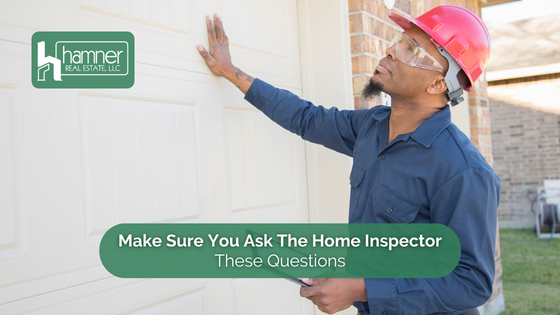
Make Sure You Ask The Home Inspector These Questions
December 6, 2022
Once you find a home you'd like to make an offer on from Tuscaloosa homes for sale, you're going to need the services of a home inspector. The home inspection is required for many reasons — chief among them so that your lender can determine if the house is worth the asking price. Many lenders won't OK a loan without a home inspection. What's more, a home inspection is to your advantage because it can reveal problems such as faulty wiring, mold, or other potentially hazardous situations.
But if you've never dealt with a home inspector, you may wonder what you should ask. Here are a few questions our real estate agents recommend you ask your home inspector.
- How much will a home inspection cost?
It depends on the size of the house, the market, and sometimes on the inspector. An established home inspector with a good reputation may cost more than someone who is starting out. On average, home inspections run $300-600. - How long have you, the inspector, been doing this?
This question can be very important when you're trying to assess if the inspector knows what he or she is doing. If someone is just starting out, they may not know how to perform more thorough inspections for more complicated homes, such as older historic houses — and that could impact whether or not you get a loan. - May I, the buyer, accompany you, the inspector, as you make the rounds?
There's no good reason why the inspector wouldn't want you around, and they should be happy for the opportunity to explain things. It's easier to understand an explanation from the inspector's mouth rather than reading a report. - When is an issue a big deal?
You'll be surprised to learn that most houses have similar issues in regard to the foundation, roof needing repair, water heater needing replacement, electrical systems, or HVAC being brought up to code. While any of these might seem like deal breakers to you, it's best to ask the inspector how big the issue is. Yes, they might be big issues — but in that case, you get a repair or walk away from the deal. - Let the inspector know if you have any questions before the inspection begins so he can clarify issues.
You may have noticed things that worry you, such as the house's age, a water spot, a foundation problem. Do ask questions about it — what's the source, what will it take to get it fixed, and the like. Inspectors can help you understand problems. Ask the right questions, and a good inspector can explain how you can take care of your house — which can be of paramount importance to a first-time homeowner. Further, if you buy the house and are not asking the seller to fix certain things, do not blow off these problems and forget to fix them after you move in. - Should you call in additional experts for specific problems?
A home inspector will only be able to give you a general outline of problems with the house. He may recommend that you consult an additional expert to look at whatever the inspector has flagged, such as a problem with plumbing, the electric system, roof, or HVAC. - Ask questions after the inspection.
Hopefully, you were with the inspector during the inspection and asked questions as the procedure went along. However, after you see the detailed report that the inspector issues within a couple of days, you should definitely ask questions about anything that you don't understand.
We can explain lots more about the home inspection process. Contact us today.
 RSS Feed

